Become a changemaker, contributing to innovative sustainable solutions.
Get outside your comfort zone and work on real-life problems in an interdisciplinary programme for master students.
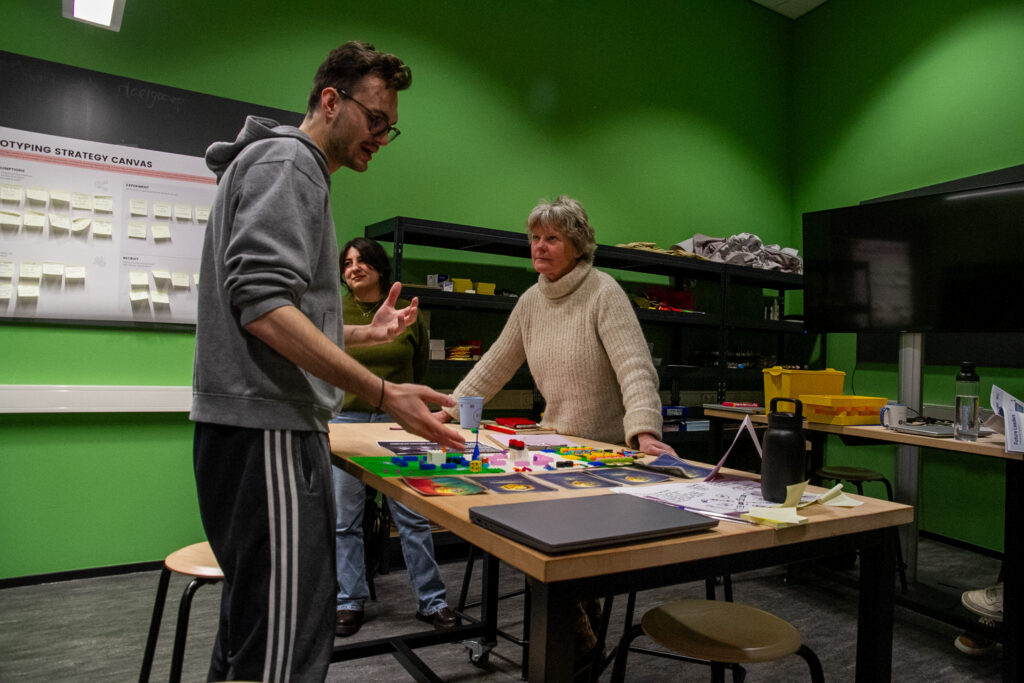
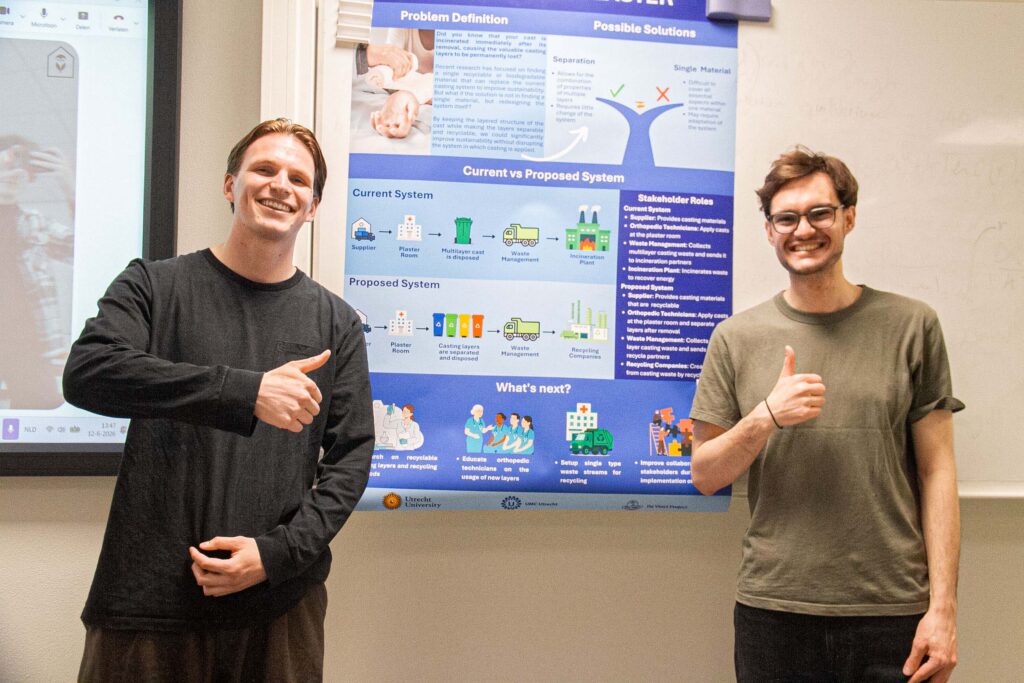
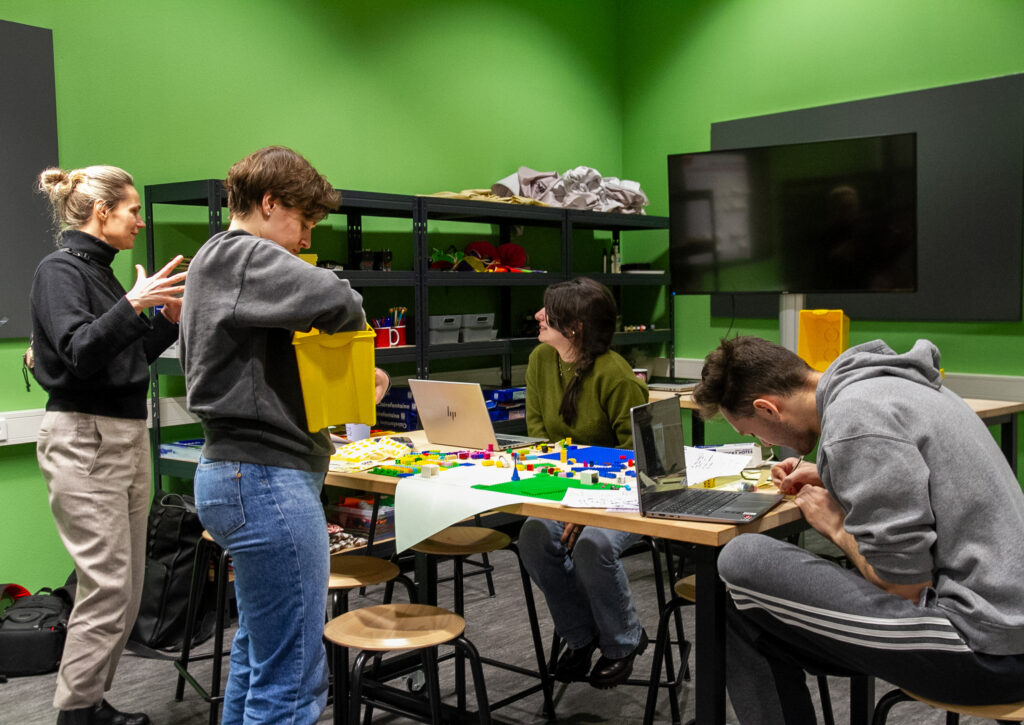
The Da Vinci Programme offers you an immersive learning experience aimed at educating a new generation of changemakers, connectors, and innovators. In collaboration with private and public partners, you will work in an interdisciplinary student team, with students from Eindhoven University of Technology, Wageningen University & Research, and Utrecht University, to tackle sustainability-related challenges. Besides the team challenge, you will work on a personal development portfolio to develop competencies in in your own specific field of interest.
Course Details
- Format: A full-time course where you work in interdisciplinary teams on-site with a stakeholder on their sustainability challenge.
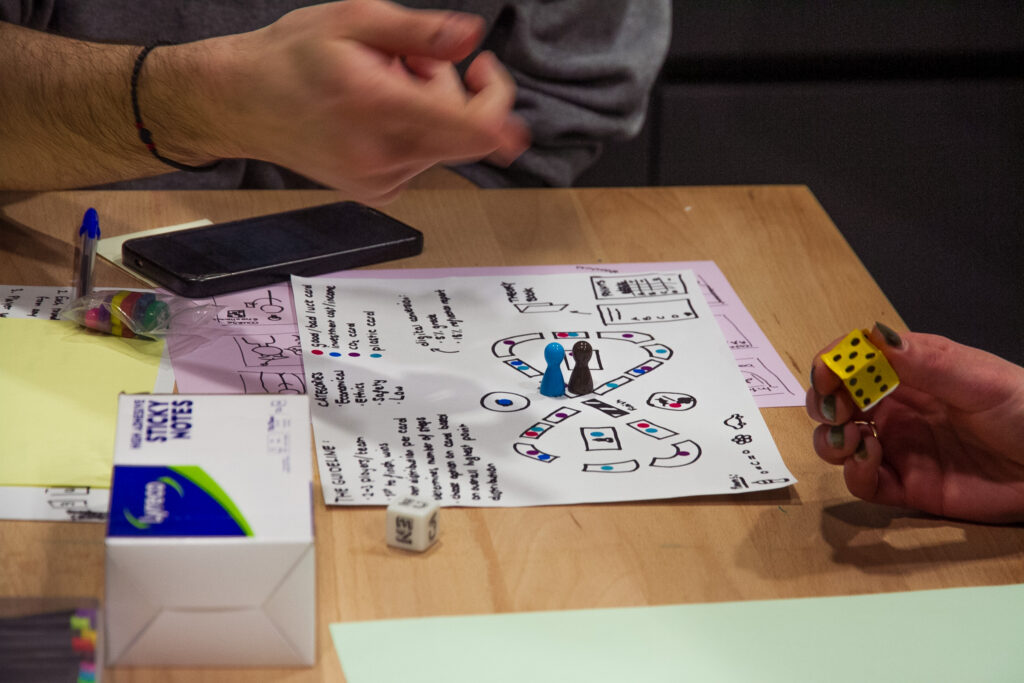
- Core Tools: Workshops covering design thinking, systems thinking, and interdisciplinary collaboration.
- Flexible Tracks: Choose between the Long Track (30 EC) or the Short Track (15 EC).
- Eligibility: Open to Master’s students from all disciplines within the EWUU alliance.
- Language: English.
Course dates
- Course Start (Both Tracks): February 8th, 2027
- Short Track End Date: April 16th, 2027
- Long Track End Date: June 25th, 2027
Key skills you will gain in the Da Vinci Programme
- Sustainability Expertise: Acquire the essential knowledge, soft skills, and hard skills needed to tackle real-world sustainability challenges.
- Interdisciplinary Leadership: Gain hands-on experience in interdisciplinary research, stakeholder management, and professional leadership.
- Cross-Cultural Mindset: Learn the tools and mindset required to work in real-world professional environments with people with different backgrounds.
Explore the Da Vinci Programme detailed information
- Detailed Course Programme & Tracks – Learn about the 15 EC and 30 EC study options.
- The Jam Week Experience – Find out what happens during our immersive kick-off week.
- Our Sustainability Challenges – Discover the real-world projects provided by our stakeholders.
- Student Expectations & Admission – What we expect from you regarding workload and background.
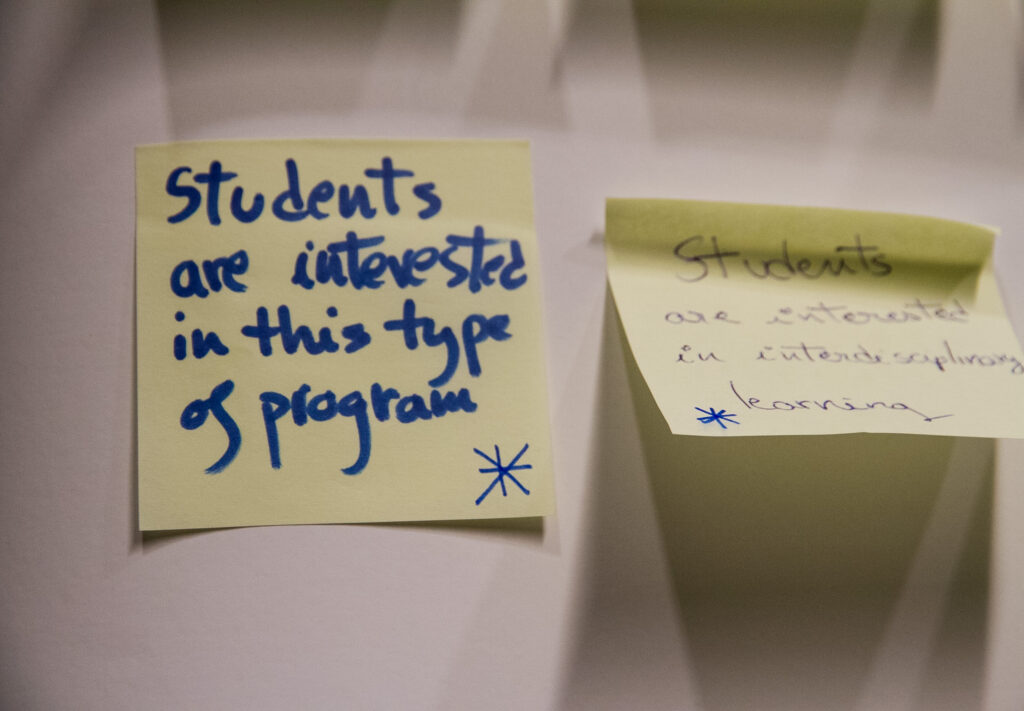
- Student Testimonials & Reviews – Read stories and experiences from our alumni.
Contact
If you have any questions please contact Joyce Kromwijk, Da Vinci Programma Manager